
Transformation & Change Management
Transformation succeeds or fails on how people experience it.
Decades of practice leading complex organizational change — grounded in proven models, applied by someone who has run the change, not just diagrammed it.
The Problem
Most transformations don't fail on strategy. They fail on people.
A roadmap can be technically correct and still go nowhere. If the people responsible for carrying it out were never told why the change matters, never given room to want it, and never equipped to work differently, the plan stalls in the gap between the deck and the day-to-day.
The strategy document was never the hard part. The people are.
The Method
A path grounded in experience, not abstract models.
Every engagement draws on the crossover between proven change management frameworks and your organization's specific transformational needs — adapted through decades of hands-on practice guiding real people through real transitions.
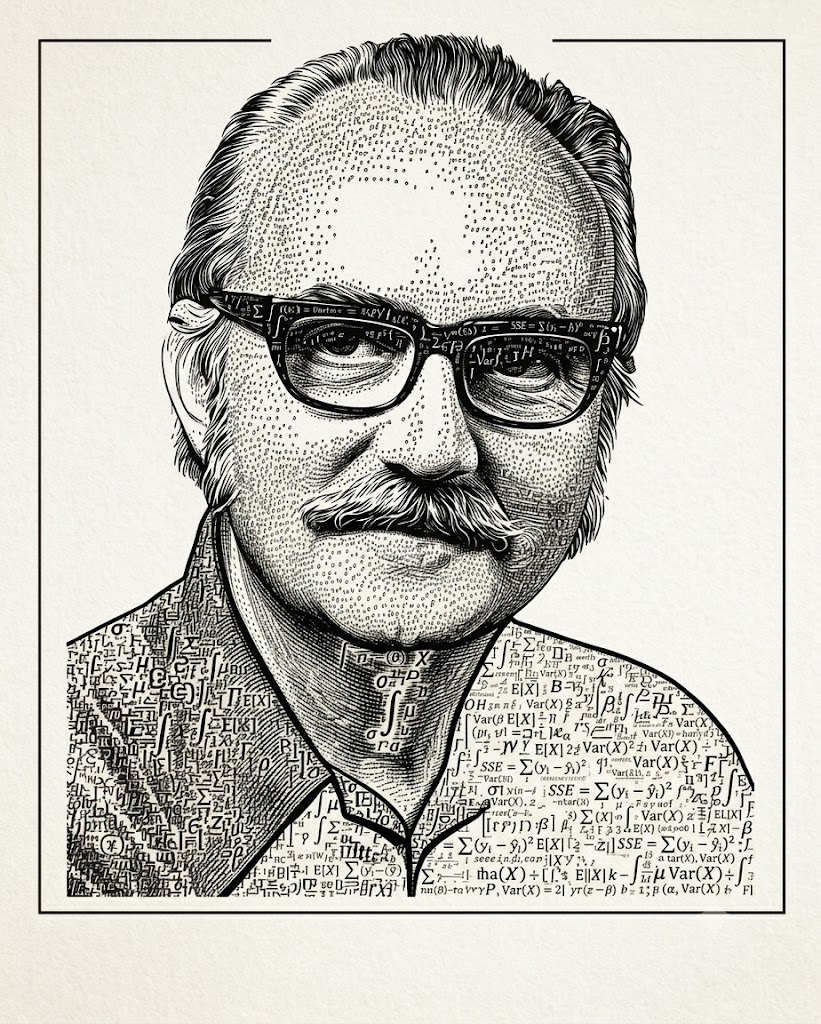
"All models are wrong, but some are useful."
George E. P. Box — British statistician, 1919–2013
Pioneer of quality control, design of experiments, and time-series forecasting — called one of the great statistical minds of the 20th century.
The three frameworks below are treated the same way — as useful approximations, not sacred formulas. ADKAR and Kotter provide the vocabulary. The Diamond Method is what's been learned from successfully applying that vocabulary to real organizations, again and again.
Framework 01 — ADKAR
Awareness
Why this change, why now — explained in terms people actually believe.
Desire
The personal case for getting on board, not just the corporate one.
Knowledge
What to do differently, taught in a way that actually sticks.
Ability
Real support to perform the new way, not just understand it.
Reinforcement
The follow-through that keeps the change from quietly reverting.
Framework 02 — Kotter, Simplified
Urgency
Make the case that standing still is the riskiest option.
Coalition
Assemble the sponsors and voices who can carry it.
Vision
Turn the strategy into a picture people can see themselves in.
Momentum
Bank short-term wins to keep belief compounding.
Anchor
Lock the new way in until it's just how work gets done.
Framework 03 — The Diamond Method
Culture
Your organization has an approach rooted in cultural memory — embrace its usefulness.
Influence
All voices contribute to strategy, from sponsors and stakeholders to those impacted by change.
Transparency
From promotion to compliance, share what you can as soon as you can.
Empower
Distribute ownership at every level to sustain accountability and liberate your team.
Adjust
Measure and alter — no plan is perfect, and few are ever completed.
Deliverables
The plan becomes real — on paper and in practice.
The method above shapes the work. It still ends in concrete deliverables, handled end to end by the same person, in two connected phases.
Strategy & Planning
- Digital transformation roadmaps
- Corporate planning frameworks
- Change management design
- Stakeholder alignment briefs
Content Creation & Asset Delivery
- Executive-ready strategy documents
- Training and enablement content
- Presentation & communication assets
- Final, production-ready deliverables
About
Led by someone who's done this for decades.
This practice is led by a transformation and change management (TCM) specialist with decades of experience inside large technology organizations. That means understanding the goal of a transformation and the reasons behind it — and, just as important, understanding the people who will actually live through it. No account layer, no junior staffing, no scope drift between proposal and deliverable. One accountable contact, start to finish.
Contact
Tell me what you're transforming.
Reach out directly — no forms, no ticketing queue. A short note about the change you're planning is the fastest way to get a response.
mike@diamondtransform.com